

Sitelock Blog
Website Security



Effective website management requires a clear understanding of HTTP status codes (also called response codes). These three-digit codes are returned after an HTTP request and indicate whether it was successful, redirected, or failed. Understanding HTTP status codes helps diagnose issues, fix errors faster, improve performance, and maintain a secure website.

From collecting information to completing orders, web forms provide a wealth of opportunities to connect with and learn about consumers. Unfortunately, these forms can be as risky as they are helpful. Not only are they incredibly vulnerable to attacks, but they are also frequently overlooked when developing website security solutions.

Reliant on social engineering, SocGholish has become a widely used malware framework in cybercrime. This type of cyberattack can take advantage of trustworthy sites and seemingly legitimate emails to infect users’ devices with malware.

WordPress delivers extensive personalization, scalability, and community support, but with a caveat: WordPress sites can be incredibly vulnerable. The very flexibility that makes this content management system (CMS) so appealing can deliver added risks: vulnerability exploits, brute force attacks, and SQL injection attacks, to name a few.
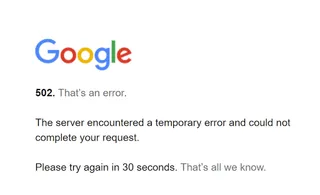
Website reliability is a paramount priority for business owners, and avoiding common errors that can disrupt website functionality is a key place to start. 500 errors, in particular, can often render a website inoperable, resulting in consequences such as poor user experience, damage to search engine optimization (SEO) rankings, and a lot more.

Website security measures provide critical peace of mind as you protect your web presence against hackers, data breaches, and other cyberattacks. Without strict security protocols, you risk viruses, malware infections, and a whole host of other problems that leave your website, your customers, and your reputation at risk.
500 internal server errors, such as 502 Bad Gateway errors, 503 Service Unavailable errors, 504 Gateway Timeout errors, and 501 Not Implemented errors, can interrupt key site functions, frustrate users, and hurt search performance. If you manage a website, knowing how to diagnose and fix these issues helps keep everything running smoothly.
These days, we are spoiled by fast and functional web pages that, in most cases, load exactly when and how we want. Our expectations are high, and, as such, we quickly grow frustrated when we encounter HTTP error 503 or other 500-level messages.

Every email sent, website loaded, or online purchase made involves data traveling between multiple systems. But what happens if someone silently intercepts that data along the way?