



Updates to your WordPress site become available all the time, whether for core files, themes, or plugins. Since many updates build on each other, the longer you wait to apply them, the greater the risk of compatibility issues or unexpected breakage.
Updates to your WordPress site become available all the time, whether for core files, themes, or plugins. Since many updates build on each other, the longer you wait to apply them, the greater the risk of compatibility issues or unexpected breakage.
Website security measures provide critical peace of mind as you protect your web presence against hackers, data breaches, and other cyberattacks. Without strict security protocols, you risk viruses, malware infections, and a whole host of other problems that leave your website, your customers, and your reputation at risk.
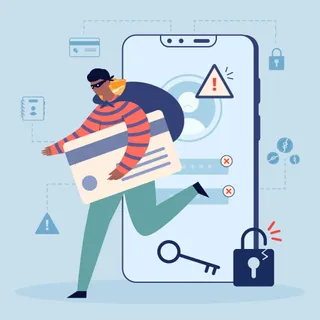
Broken access control is a critical vulnerability that can leave web applications exposed to a range of cybersecurity threats. In fact, it is ranked as the #1 vulnerability on the OWASP Top 10 list of web application security risks.
HTTP status codes play a vital role in how browsers and servers communicate, providing insights into whether a user’s request was successfully processed or if something went wrong. These codes ensure that web functionality remains transparent, helping website owners and developers identify and resolve issues when they arise.

We know updates are important to maintaining a website, especially those built on WordPress. We also know updates can potentially break your site. When your live site goes down, it can be both time-consuming and expensive to fix—costing you in technical support and lost revenue.

Cybersecurity is an increasingly critical part of our digital world. It's especially essential for businesses on eCommerce platforms, who request personal and financial information, to prioritize their website security.
In our series on managing WordPress updates, we’ve discussed how crappy it is when your website breaks, and examined lots of solutions to avoid it ever happening. One of the things we strongly recommend is having a good backup process in place. Whether your site breaks as the result of an unvetted update or a hacking attempt, losing all of your data is one of the biggest setbacks your business can experience. Without a backup of your site, you can potentially lose thousands of hours of your own content, and your users’ content, in a single moment. How do you put a price tag on irrecoverable data loss?