




Chatbots have become a standard part of how businesses interact with customers. From answering basic questions to supporting transactions and service requests, they’re now embedded across websites, apps, and internal systems.
Chatbots have become a standard part of how businesses interact with customers. From answering basic questions to supporting transactions and service requests, they’re now embedded across websites, apps, and internal systems.
SQL injection is a common tactic in cybercrime and listed as a top security threat by the OWASP Top 10, a powerful awareness document representing the most critical security risks to web applications. If you’re not protecting your website from this cyberattack, your business and customers could be at risk.

A backdoor attack is a type of malware that gives cybercriminals unauthorized access to a website. Cybercriminals install the malware through unsecured points of entry, such as outdated plug-ins or input fields. Once they enter through the back door, they have access to all of your company’s data, including customers’ personal identifiable information (PII). They can also install spyware, ransomware, or redirect your website for crypto-mining.
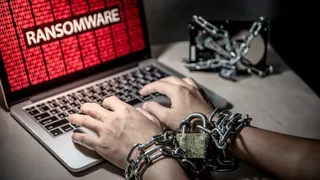
We have all seen it in the news lately: Critical infrastructure and organizations being hit with ransomware attacks; bringing operations to a screeching halt. In many cases these ransoms are paid which further incentivize more bad actors such as REvil, EvilCorp and DarkSide to continue their malicious attacks. As of May 2021, ransomware attacks have almost doubled, with 43% of all ransomware attacks affecting SMB’s. Additionally, the ransom amounts associated with these attacks have been exponentially increasing with the average ransom costing small to medium sized businesses (SMB’s) $380,000 on average. It is largely speculated that most of these cyber criminals have international ties back to Russia where little investigation and prosecution is taken on them.
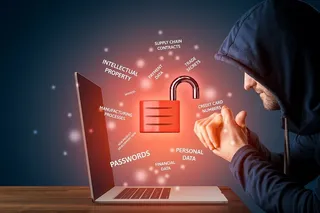
Data breaches are every company’s worst nightmare. Unfortunately, they’re more common than you might think—in 2020 alone, 155.8 million Americans suffered the consequences of a data breach.
At worst, data breaches wreak financial havoc and reputational damage that can sink your business entirely. At best, data breaches can be costly embarrassments that can put your business on a path to a long road to recovery. That’s why it’s crucial for business owners and their employees to learn how to prevent a data breach. According to an IBM report, potential cybersecurity breaches can take, on average, about 280 days to detect. That’s a long time for malicious actors to have unfettered access to your company’s data. If you know how to recognize a data breach, you can save your company a lot of money and time in rectifying the fallout.
“Your data has been compromised.”

What’s the biggest expense your business faces? Whether it’s rent, payroll, or something else, there’s one potentially huge cost many business owners don’t factor in until they’re facing it – the cost of recovering from a cyberattack.

According to recent research, malware currently infects an estimated 12.8 million websites globally. These infections make sites vulnerable to takeovers, defacement and data breaches from bad actors looking to tarnish site reputations and turn a profit – and the costs can be devastating for businesses. In fact, the average data breach now costs businesses $1.9 million, which is enough to significantly impact any organization – regardless of size.

Research reveals that 68% of small- to medium-sized businesses have no policy to ensure cybersecurity, perhaps due to a belief that they don’t have anything worth stealing. However, the truth is that businesses of all sizes hold valuable data in their hands, and cybercriminals work to create new sophisticated attack methods to acquire this information.